
When to repair vs replace your hot water system
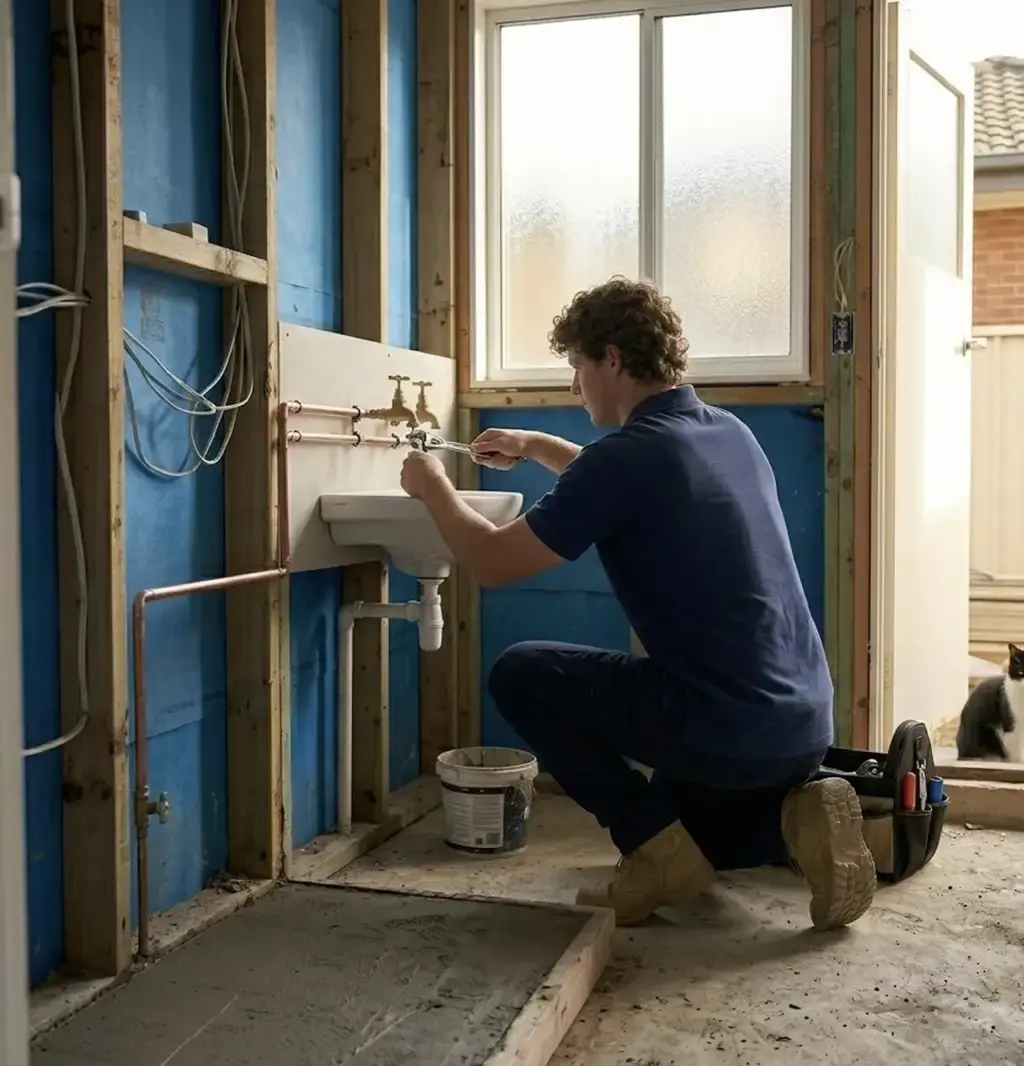
Should you repair or replace your hot water system? It's a question I answer almost every day. And look, I'm not in the business of selling you something you don't need. If your system can be fixed affordably, I'll fix it. But sometimes throwing money at an old unit is like putting new tyres on a car with a blown engine.
How long do hot water systems last?
Most hot water systems have a lifespan of 10 to 15 years. Some last longer with good maintenance, some fail earlier, especially in areas with hard water or if they've never been serviced.
Gas storage systems typically last 10 to 12 years. Electric storage systems can push 12 to 15 years. Continuous flow (instantaneous) gas units often last 15 to 20 years because they don't store water and cop less internal corrosion.
If your unit is in that 10 to 15 year range and having problems, the age alone is a big factor in the repair vs replace decision.
Signs your hot water system is dying
Here's what I look for when a client calls me out:
Rust-coloured water: If the hot water coming out of your taps is brown or rusty, the tank is corroding from the inside. That's usually terminal. Once the tank starts rusting through, it's only a matter of time before it leaks.
Water pooling around the base: A small amount of water from the pressure relief valve is normal. But if you're seeing a steady drip or a puddle around the base, the tank is likely cracked or the internal lining has failed.
Inconsistent temperature: If the water goes from hot to lukewarm to hot again, or you're running out of hot water faster than you used to, the heating element (electric) or burner (gas) could be failing, or sediment has built up in the tank, reducing capacity.
Strange noises: Rumbling, popping, or banging sounds from the tank usually mean sediment has hardened on the bottom. The unit is working harder to heat through the build-up.
Frequent repairs: If I've been out twice in the last year to fix different issues, that's a pattern. The unit is telling you it's done.
The 50% rule
Here's my rule of thumb, and it's served my clients well for decades: if the repair cost is more than 50% of the price of a new system, replace it.
For example, if a new gas storage system costs $2,000 installed, and the repair bill for your current unit is going to be $1,200, you're better off putting that money towards a new system with a full warranty and another 10 to 12 years of life.
On the other hand, if it's a $300 thermocouple replacement on a 6-year-old system, that's an easy repair. The system's got years of life left.
What about efficiency?
Older hot water systems are significantly less efficient than modern ones. A system from 2010 might have a 3-star energy rating, while a new equivalent could be 5 or 6 stars. That difference shows up on your gas or electricity bill every quarter.
If your system is working but costing you a fortune to run, it might be worth replacing even before it fails. I've had clients save $200 to $400 a year on energy bills after upgrading.
Repair scenarios that make sense
Not every problem means replacement. Here are repairs I commonly do that are well worth it:
Replacing a thermocouple or pilot assembly on a gas system, usually under $350.
Replacing a heating element on an electric system, around $250 to $400.
Replacing the pressure and temperature relief valve, $150 to $250.
Replacing the sacrificial anode, $200 to $350. This is actually preventive maintenance that extends the tank's life. If you've never had it done and your system is 5+ years old, it's worth checking.
My honest take
I've been doing this for over 40 years, and I don't need to sell you a new hot water system to make a living. If yours can be repaired sensibly, I'll tell you. If it's on its last legs, I'll tell you that too, and explain your options without any pressure.
We work with all types of systems. Have a look at our gas hot water services page for more detail.
If your hot water is playing up, give me a call on 0418 340 501. I'll come out, assess the situation, and give you a straight answer.