
Hot water system buying guide: electric vs gas vs solar
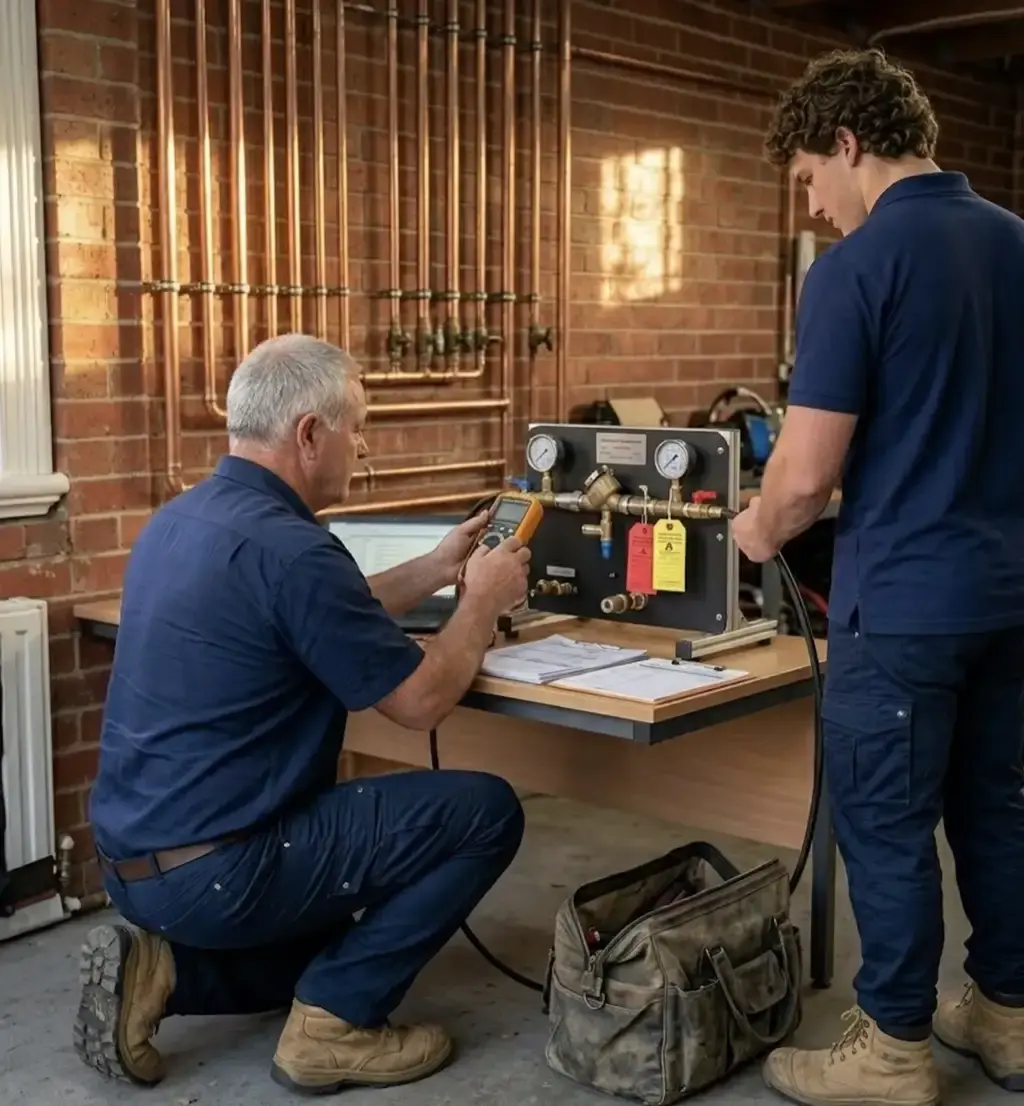
Buying a new hot water system is one of those things most people only do once or twice in their life, and there's a lot of confusing information out there. Electric, gas, heat pump, solar. Each one has its pros and cons, and what works for your neighbour might not work for you. This hot water system buying guide is my honest take as a Melbourne plumber with over 40 years in the trade. No sales pitch, just straight facts.
Electric storage hot water
Electric storage systems heat water in a tank using an electric element. Same idea as a kettle, just bigger. They're the cheapest to buy and install, which is why a lot of people end up with them. A decent unit runs about $800 to $1,500 installed.
The catch? They're the most expensive to run. In Melbourne, electric hot water can cost $600 to $900 a year, depending on your household size and tariff. They also lose heat through the tank walls (called standing losses), so you're paying to keep water hot even when you're not using it.
If you're on a controlled load tariff (off-peak electricity), costs come down a bit. But overall, electric storage is being phased out in many states for new builds because it's the least efficient option. I wouldn't recommend one unless budget is extremely tight and you need a quick replacement.
Gas instantaneous (continuous flow)
Gas instantaneous systems heat water on demand. No tank, no standing losses. You turn on the hot tap and the unit fires up. They're compact, they hang on the wall, and they never run out of hot water because they're heating it as you use it.
Installed cost is typically $1,500 to $2,500 depending on the brand and whether you need a new gas line run. Running costs sit around $350 to $500 a year in Melbourne, significantly less than electric storage.
The main downside is you need a gas connection. If you're in an area without natural gas, you're looking at LPG bottles, which changes the running cost equation. Gas systems also produce emissions, and with Victoria pushing towards electrification, gas may become less attractive long-term. But right now, for a reliable and efficient system, gas continuous flow is hard to beat.
Heat pump hot water
Heat pumps are the system I'm recommending most these days. They work like a reverse-cycle air conditioner. They pull heat from the air and use it to heat water. They use about a third of the electricity of a traditional electric system, which means running costs of roughly $200 to $350 a year.
The installed cost is higher, typically $3,000 to $4,500, but here's the good news: the Victorian Government and federal government both offer rebates. Depending on your eligibility, you can knock $1,000 to $2,000 off the price. That brings the effective cost close to a gas system, with lower running costs.
Heat pumps work well in Melbourne's climate. They're less efficient in very cold weather (below about 5 degrees), but Melbourne rarely stays that cold for long. They do make a noise similar to an air conditioning unit, so placement matters. Don't stick one right outside a bedroom window.
For most Melbourne homes, a heat pump is the best long-term investment right now. That's my honest opinion.
Solar hot water
Solar systems use roof-mounted panels (either flat plate or evacuated tube collectors) to heat water using the sun. They typically have an electric or gas booster for cloudy days and winter. Running costs are the lowest of any system, often under $150 a year.
But they're the most expensive to install ($4,000 to $7,000), they need good roof space facing north or north-west, and installation is more involved. If your roof is shaded by trees or neighbouring buildings, solar panels won't perform well. They also require more maintenance than other systems. The roof components need periodic checking.
Solar is a great option if you've got the right roof and you're planning to stay in the home long-term. For rental properties or homes with poor solar access, I'd steer towards a heat pump instead.
Running costs comparison for Melbourne
Here's a rough annual running cost comparison for a family of four in Melbourne. Electric storage: $700 to $900. Gas continuous flow: $350 to $500. Heat pump: $200 to $350. Solar with booster: $100 to $200. These figures vary based on usage, tariffs, and gas prices, but they give you a fair picture of the difference.
Steve's honest recommendation
If your current system has died and you need a replacement fast, gas continuous flow is reliable and efficient. I can usually have one in within a day. If you've got a bit more time and budget, go with a heat pump and take advantage of the government rebates. Solar is brilliant if your roof suits it. And electric storage? Only if there's genuinely no other option. Whatever you choose, make sure it's installed by a licensed plumber who issues a compliance certificate. You can read more about the hot water systems I install here.
Need help choosing the right hot water system for your home? Call me on 0418 340 501 and I'll come out, look at your setup, and give you a straight recommendation, no pressure, no upsell. That's how I work. Steve Kovac, Kovele Plumbing.